Seawater offering to Yamaya / St. Mary
Santeria was originally a disparaging name for Christians who misunderstood the doctrines of Catholicism and worshiped the saints. Now it is the name of a Catholic / African fusion theology that has spread throughout the Caribbean, Central and South America, and is the largest and fastest growing religion in Cuba.
From the 16th century through most of the 19th century, the Spanish brought slaves from West Africa to Cuba to work the tobacco and sugar fields and the slaves brought their Yoruban religion. The plantation owners suppressed the animistic theology and did their best to replace it with Catholicism.
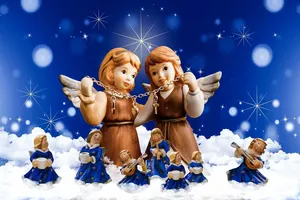
Yamaya represented by African doll with white Christ Child.
In order to continue their traditional rituals and offerings, the Yoruban worshipers “syncretized” each of their gods with a saint and pretended conversion to Christianity.
Yamaya (Goddess of the Ocean, protector of women, queen of the sorcerers) is represented by the Virgin Mary. Her preferred food offerings are seawater, pork cracklings, and watermelon. Her preferred animal offerings are roosters, lambs, and fish. When Yemaya is not represented by St. Mary, she is often portrayed carrying a spirit to Africa or possibly to heaven.
Chango (God of fire, lightning and thunder) was the Warrior King of the Oyo nation before his posthumous deification. This masculine lustful god is syncretized with a female, St. Barbara (Saint of danger, thunderstorms, and sudden death). When he is represented in his Yoruban personna, he often holds a double bladed axe. Chango’s offering animals are pigs, roosters, goats, rabbits and sometimes horses and bulls. His offering foods are corojo butter, cactus, corn meal, apples, and red wine.

Babalu Aye represented with crutches and two dogs
Babalu Aye, Chango’s compassionate brother, helps the poor and the sick. Cubans are surprised to hear that Cuban American performer, Desi Arnaz, was famous for singing a song entitled “Babalu”. According to the song lyrics, the singer is trying to decide what to do with a statue of Babalu Aye after it has been used in a Santeria ritual.
The Yoruban god is syncretized with St. Lazurus. His offering foods are coffee, corn meal, cigars, and pond water. His offering animals are roosters snakes and goats. When he is not disguised as a saint, he is pictured as an old crippled man with two dogs and sores on his skin.
Aspects of Santeria have become integrated into Cuban art and music. Community religious leaders, Santerios(as), are within walking distance of most neighborhoods, and are ready to offer rituals and advice to solve most ordinary problems. If more powerful magic is needed a Babalu (priest) is consulted. A Babalu is also involved in a believer’s initiation into the religion and the selection of the devotee’s Guardian deity.
Santeria shrine in government owned Havana urban organic farm
Each follower of Santeria has a Godmother and Godfather assigned to provide guidance. Most have also been baptized into the Catholic religion.
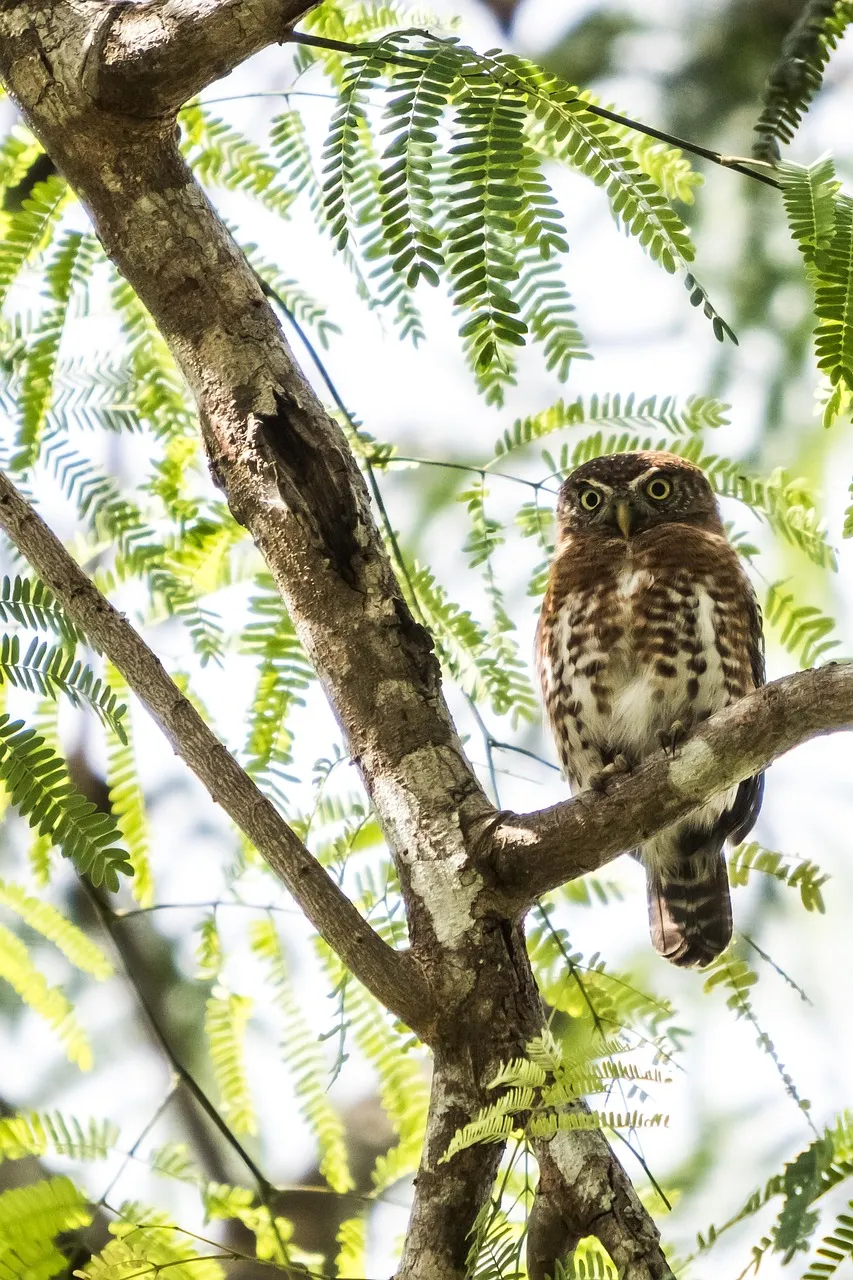
My novel, Owl Dreams includes a character, “Big Shorty”, whom the protagonist believes is Baron Saturday, the guardian of cemeteries in the Haitian version of the Yoruban religion. Some details of the African theology blend well with Oklahoma Native American mysticism upon which the story is based.