
Does it have to be so ugly?
The first time I saw the wall between Naco Arizona and Naco Sonora, I asked myself, “Does it really have to be so ugly?”
I understand that we need to control the border between the U.S. and Mexico. I understand that that millions of undocumented immigrants have entered the U.S. in the last two decades, that drug smugglers have been among them as well as sex traffickers and fugitives from the Mexican justice system. Non-Mexican’s have also made it through that porous border, people who definitely wouldn’t be allowed in the country legally.
A little paint never hurt anything.
But the rusty steel wall separating the two Nacos is a visual slap in the face to everyone who sees it—especially for the Mexicans because it’s clearly meant to keep them out.
The two towns grew around a crossing that connected Mexican and U.S. copper mines. The border was practically non-existent when the towns took shape in 1897. It turned into a minor inconvenience
during the Mexican Revolution when the U.S. turned a blind eye to almost 900,000 undocumented immigrants crossing to escape the violence. There was a temporary increase in security when Arizona declared itself “dry” in 1915 and whiskey smuggling became a profitable business. Later on drug traffic—especially methamphetamine, cocaine, and heroin complicated things.
The Naco, Sonora side.
NAFTA was the final blow to the simple passage from one side of Naco to the other. The North American Free Trade Agreement was supposed to improve things on both sides of the border, but it displaced Mexican peasant farmers and small town factory workers and sent a flood of immigrants north looking for work. In 1996 the United States built the wall.
The wall restricted passage for drug traffickers and potential terrorists but it also separated neighborhoods, friends and families, and trading partners who had been doing
Artistic Escape
business for a hundred years. It’s an ugly reminder of the political and cultural differences between the two countries.
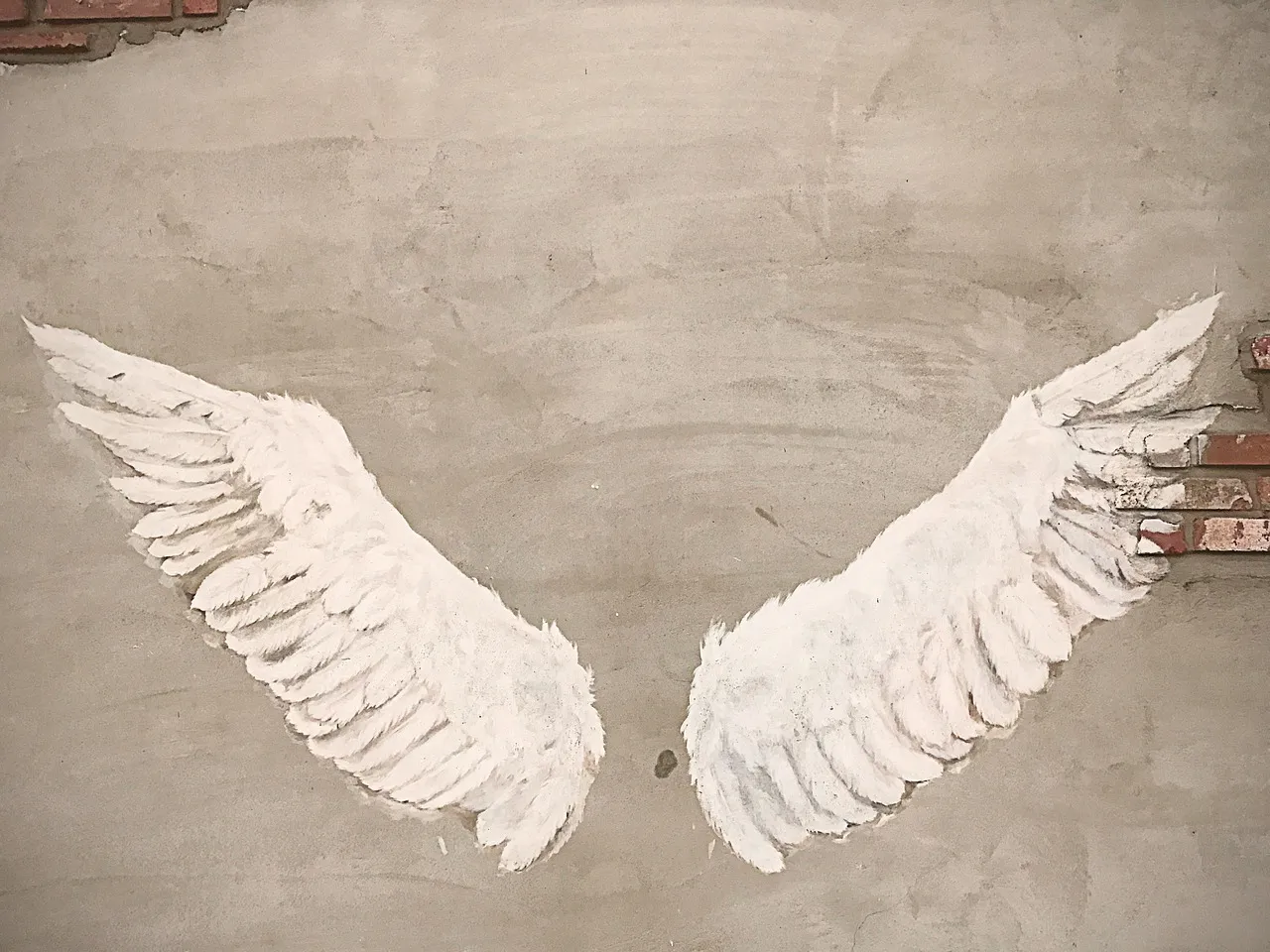
Emphasis on ugly. Gretchen Baer, an artist and resident of Bisbee Arizona came up with the idea of turning the Mexican side of the wall into the world’s longest mural. The project didn’t get much further than a couple of “Border Bedazzler” T-shirts until a friend and associate, Carolyn Toronto, teamed up with Seth Polley, minister for the Bisbee Episcopal Church, and painted one Mexican section of the wall. After that, Baer and Toronto put the Border Bedazzler project into high gear.
The rusty steel barrier still draws a line between the Mexican and North American sides of Naco. But on the Naco, Sonora side it’s a softer more colorful line. For the time being, that is as good as it’s going to get.
I used to wonder why Canada and Mexico didn’t apply to become part of the United States. I was 10. Now I wonder the same thing. Why don’t we ask them to become part of the United States. Each Mexican State and each Canadian Province could become a State, giving us over 100 States we could call us the United States of North America or U.S.N.A. However that would open up Central American countries on the continent to apply as well. Nothing’s easy is it.. But it would solve the problem of the ugly wall.
I don’t think either the Canadians or the Mexicans want to become part of the U.S. Most of the Mexicans who come here to work go back–or at least they did when it was easier to do so. Most of the Canadians who work here go back every evening by just driving across the border.
We used to live just outside Bisbee and I crossed that border many times to see my dentist whose office was less than a hundred steps from the border on the Mexican side. School kids on both sides were working on this project when I crossed the last time. Glad to see it’s still going strong. The entire project reminds me a bit of old command to turn your swords into plowshares. Except in that prophecy the swords are destroyed forever. The wall still stands.
It’s especially sad in Naco. The people on both sides of this sleepy little town would like to go back to the way things were.The North Americans who cross the border do a lot to lighten the load, especially on the children.